


Introduction
Root Canal Treatment (RCT) is a dental procedure used to save a badly infected or damaged tooth instead of removing it. This infection usually happens when tooth decay reaches deep inside the tooth and affects the nerve (pulp). Common symptoms include severe tooth pain, sensitivity to hot or cold, swelling, and pus formation. RCT helps remove the infection and protects the tooth from further damage. It is one of the best treatments to relieve pain and preserve natural teeth.
How Dentist Are Doing
Dentists first examine the tooth and take an X-ray to check the infection level and root condition. Then, under local anesthesia, the dentist removes the infected pulp tissue from inside the tooth. The root canals are cleaned, disinfected, and shaped properly to remove all bacteria. After cleaning, the canals are filled with a special material and sealed to prevent reinfection. Finally, a crown may be placed on the tooth to strengthen it and restore normal chewing function.
- Before dental Treatment
- After dental Treatment
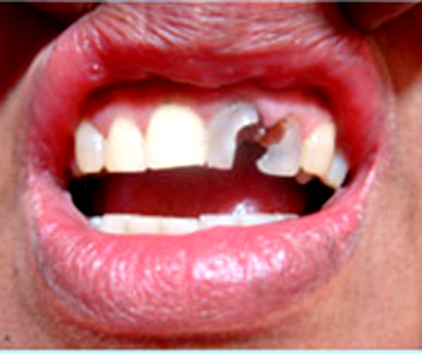
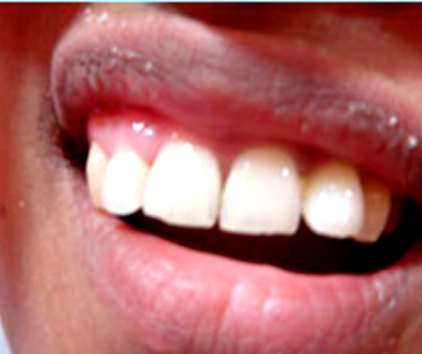
Use / Benefits
Root canal treatment helps stop tooth pain and removes infection completely from the tooth. It saves the natural tooth and prevents the need for extraction. RCT also protects the jawbone from infection spread and maintains proper bite alignment. After treatment, the tooth works like a normal tooth for chewing and speaking. Overall, RCT is a safe and effective treatment for long-term tooth preservation.